Power stage
IGBT or MOSFET modules, gate drivers, bus-bar and snubber circuits, and DC-link capacitors that have aged under heat.
Since 2000 · 3,000+ customers

Solar inverter electronics
Power-stage, control-board and auxiliary repair for string and central solar inverters from Sungrow, Huawei, SMA, ABB, Delta and other makes, at our Puducherry factory. We find the failed component, repair it, test the unit, and return it with a report. Star Automations is an independent repair company, not an OEM service centre.
Reviewed by the Quality Manager, Star Automations · Last updated October 2026
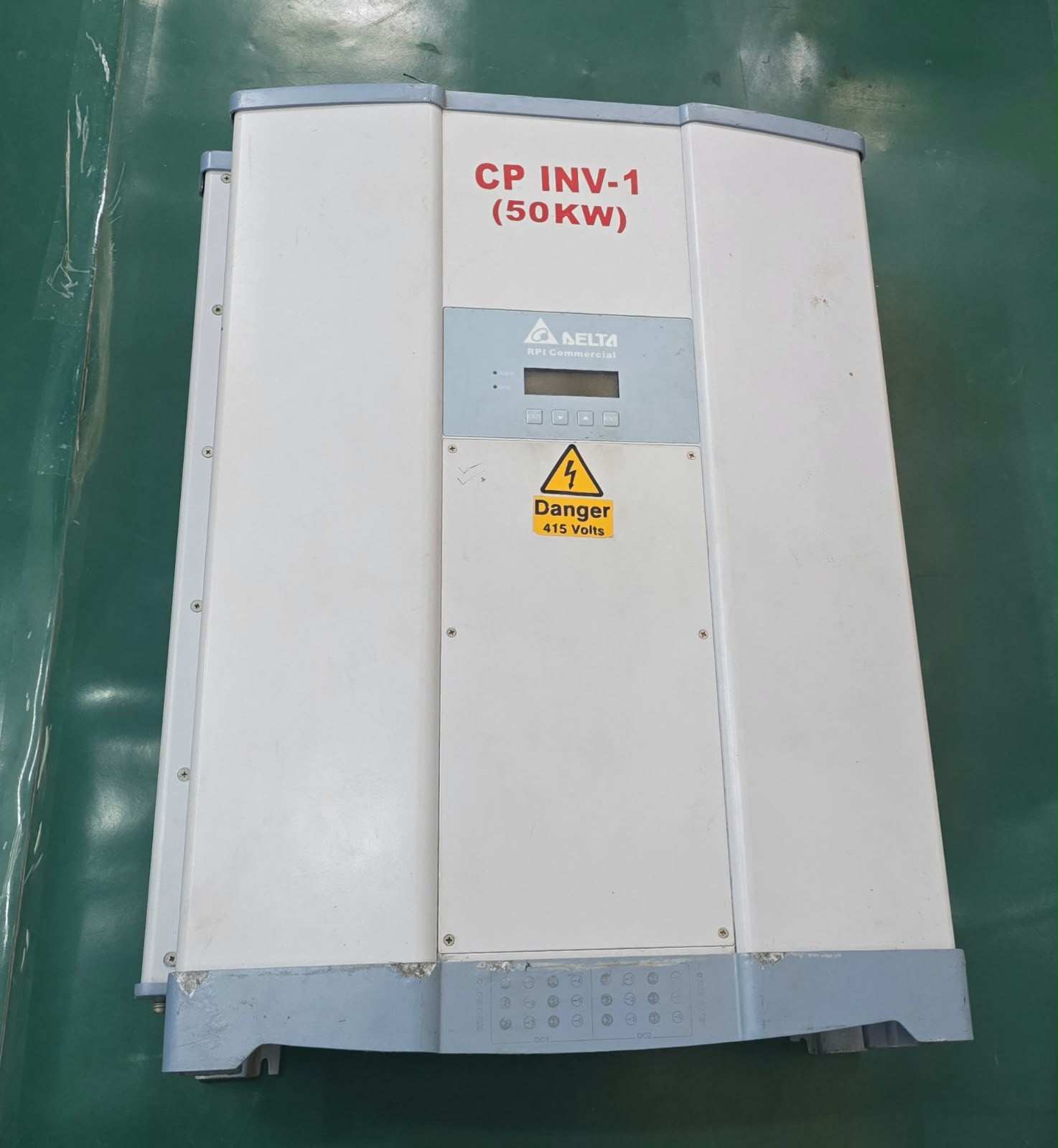
When an inverter fails after warranty, the usual options are a replacement unit or an OEM board swap. Both take time, and both can cost far more than the component that failed.
Most inverter faults are traced to a small number of parts: a power device, a gate driver, a DC-link capacitor, an auxiliary supply, or a sensing circuit. If the failed part can be identified, it can often be repaired on the board.
That is what component-level repair means here. We do not stop at the module. We trace the fault to the part on the board and tell you what we found before any work starts.
Each area is checked on its own, so a fault in one part is not replaced by a new board by default.
IGBT or MOSFET modules, gate drivers, bus-bar and snubber circuits, and DC-link capacitors that have aged under heat.
Microcontroller or DSP supply and clock, analogue sensing inputs, communication circuits and fault-latch logic, checked at component level.
The SMPS that feeds the control board and relays. A failed auxiliary supply can look like a dead inverter, so we test it first.
The RCMU sensing circuit and its supply. Faults here cause nuisance trips or block grid connection, and are tested with the insulation circuit intact.
Grid relays and contactors, voltage and current sensing, and the connections that bring the grid signal to the control board.
Display and keypad boards, cooling fan drive circuits and their connectors. Fan-drive faults often show up first as overheating.
Star Automations has repaired inverter electronics from these makes at component level. Scope depends on the model and on the parts we can source, so send the model and a nameplate photo and we confirm the part route before you ship.
Star Automations is not an OEM service centre and does not hold OEM authorisation for any inverter brand. Warranty decisions remain with the OEM or your EPC.
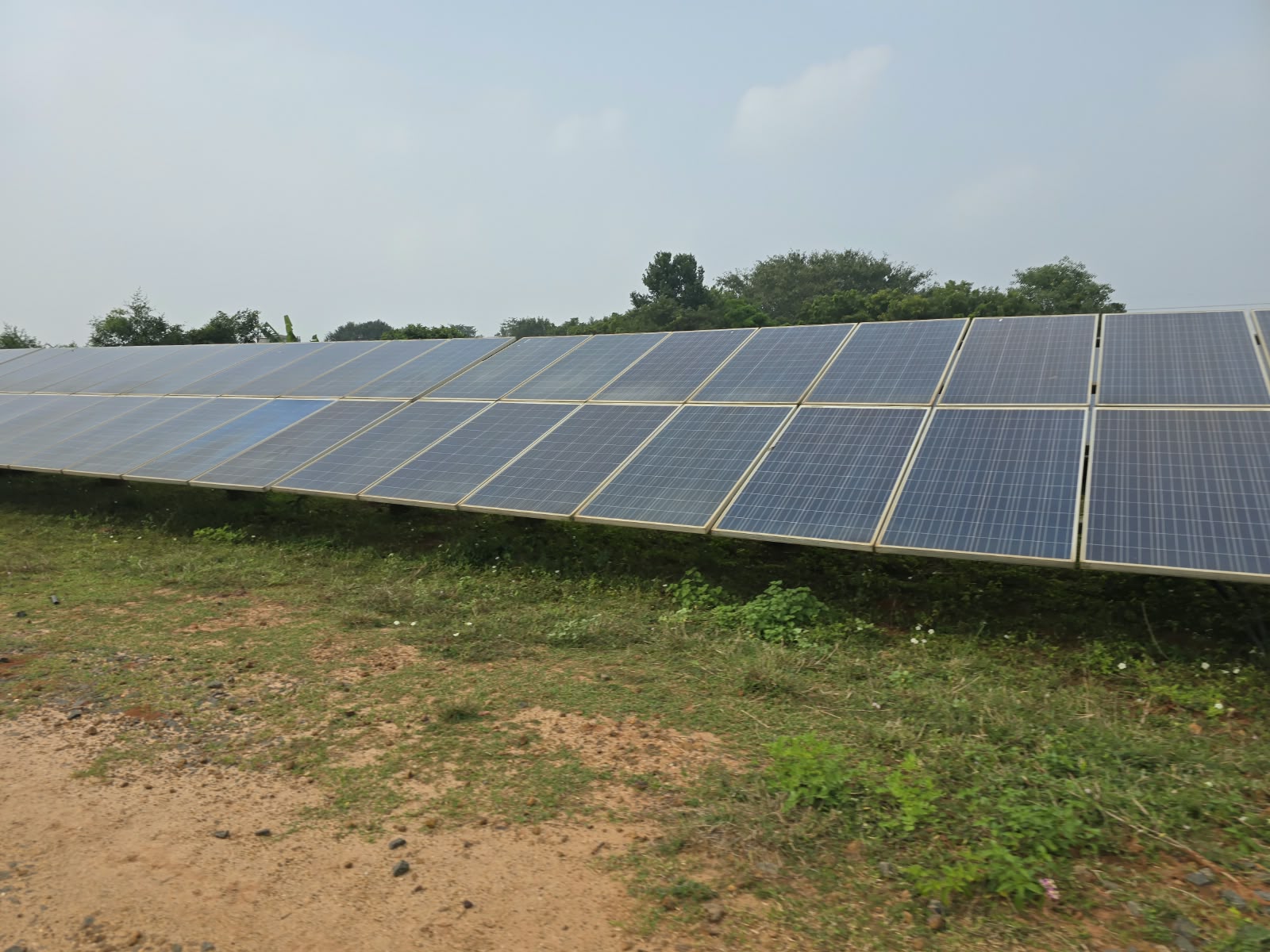
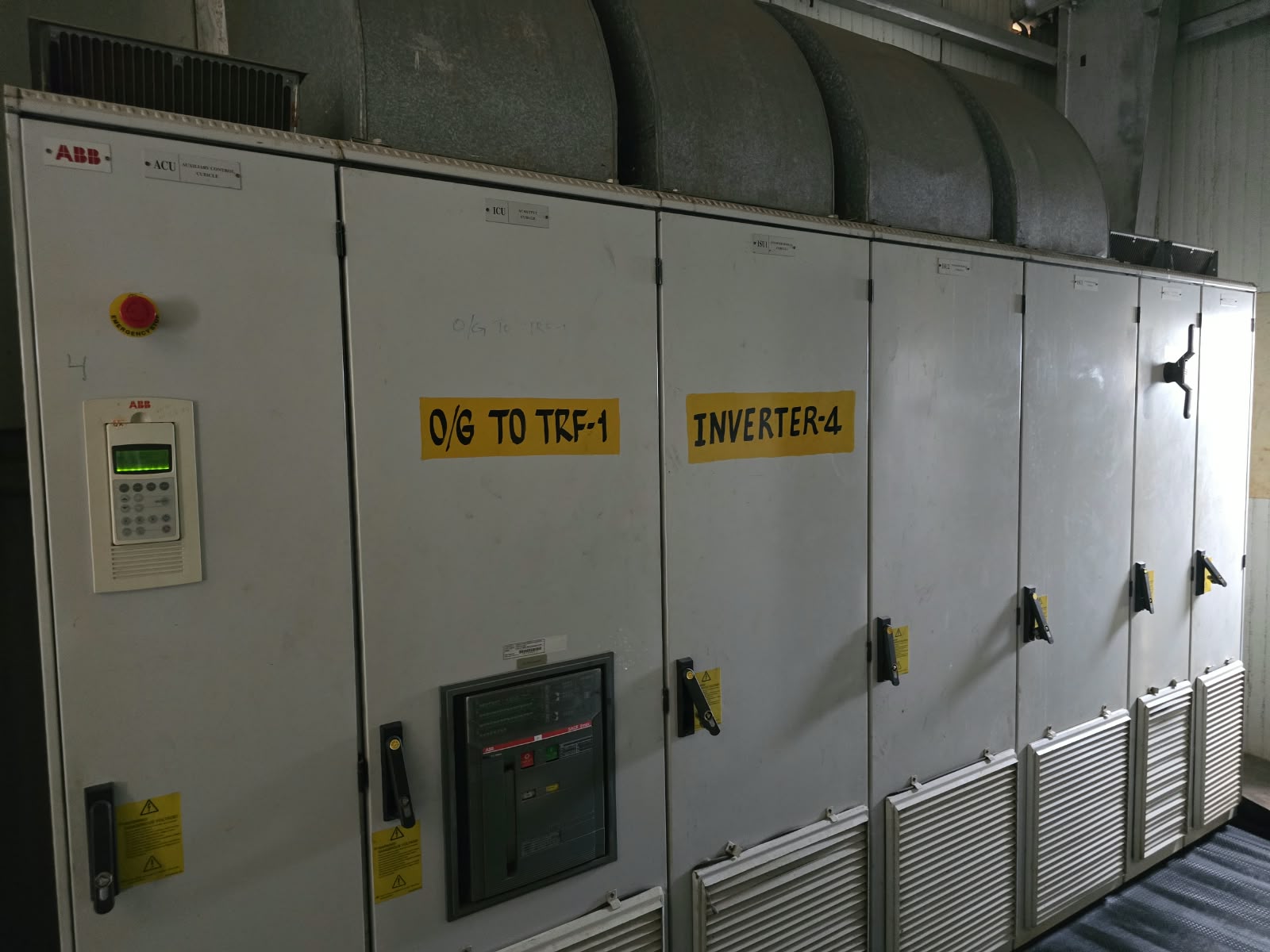
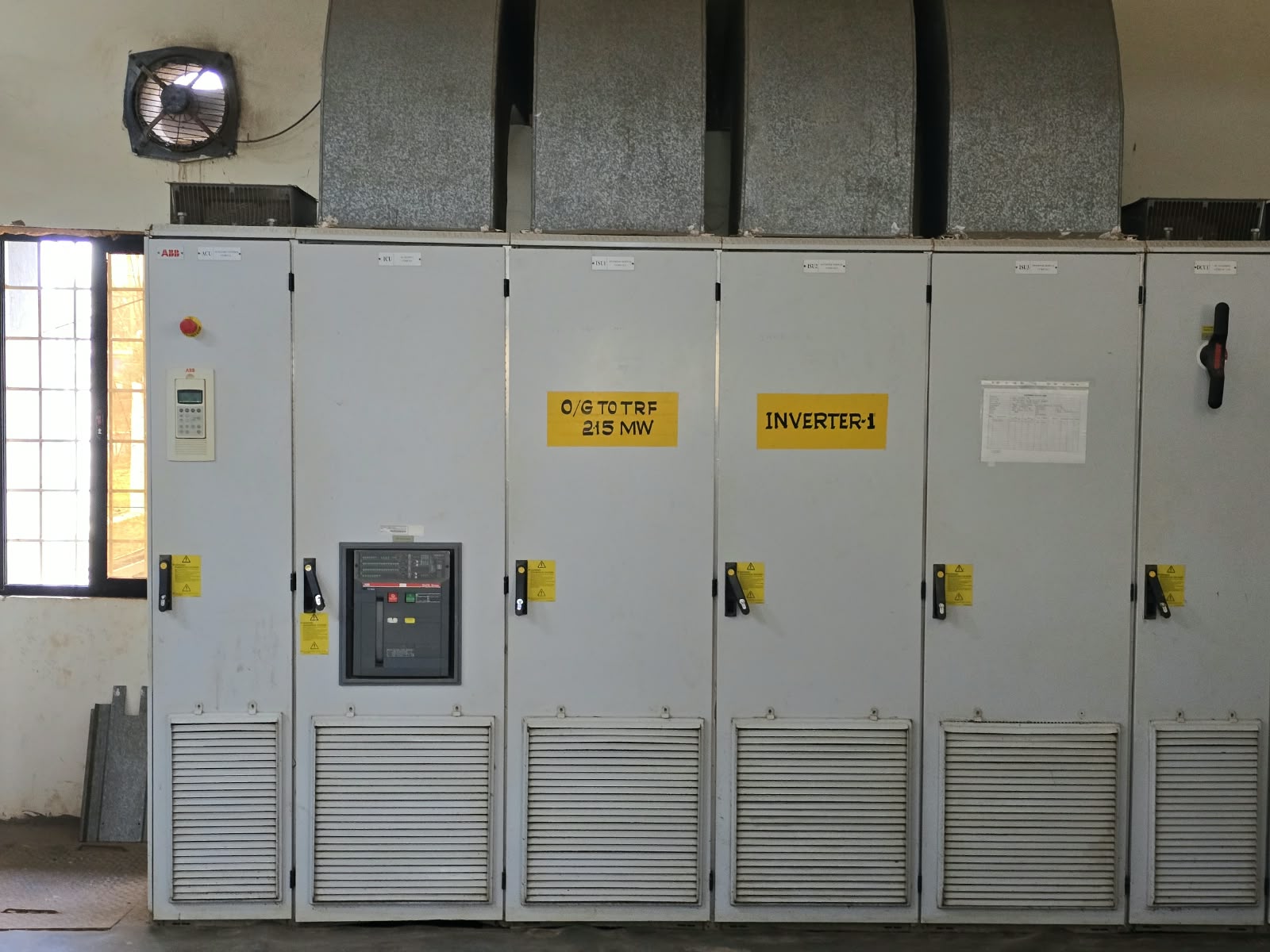
A closer look at the central inverters, drives and control platforms covered by our component-level repair, including ABB and Vacon systems used across utility-scale solar plants.
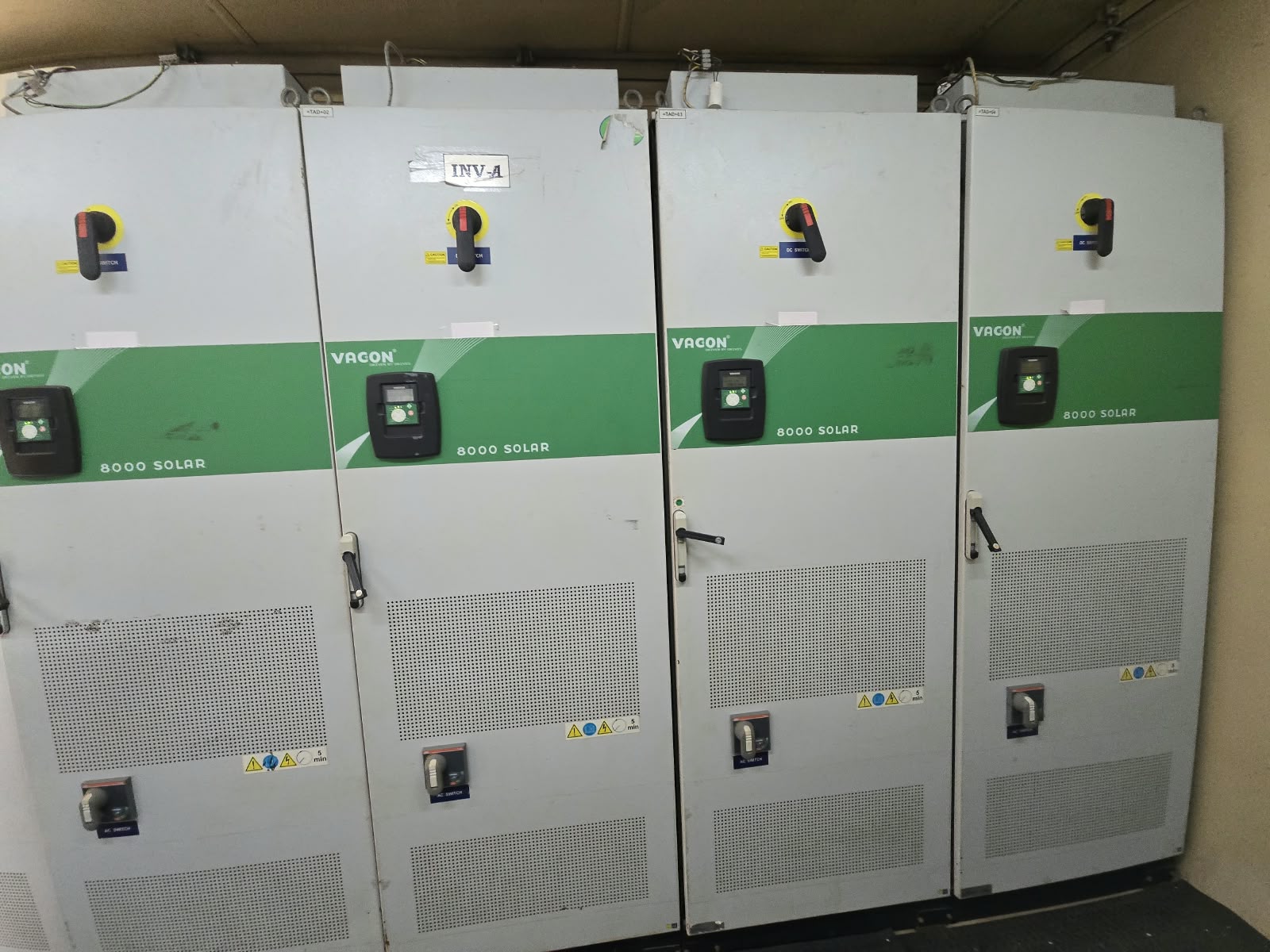
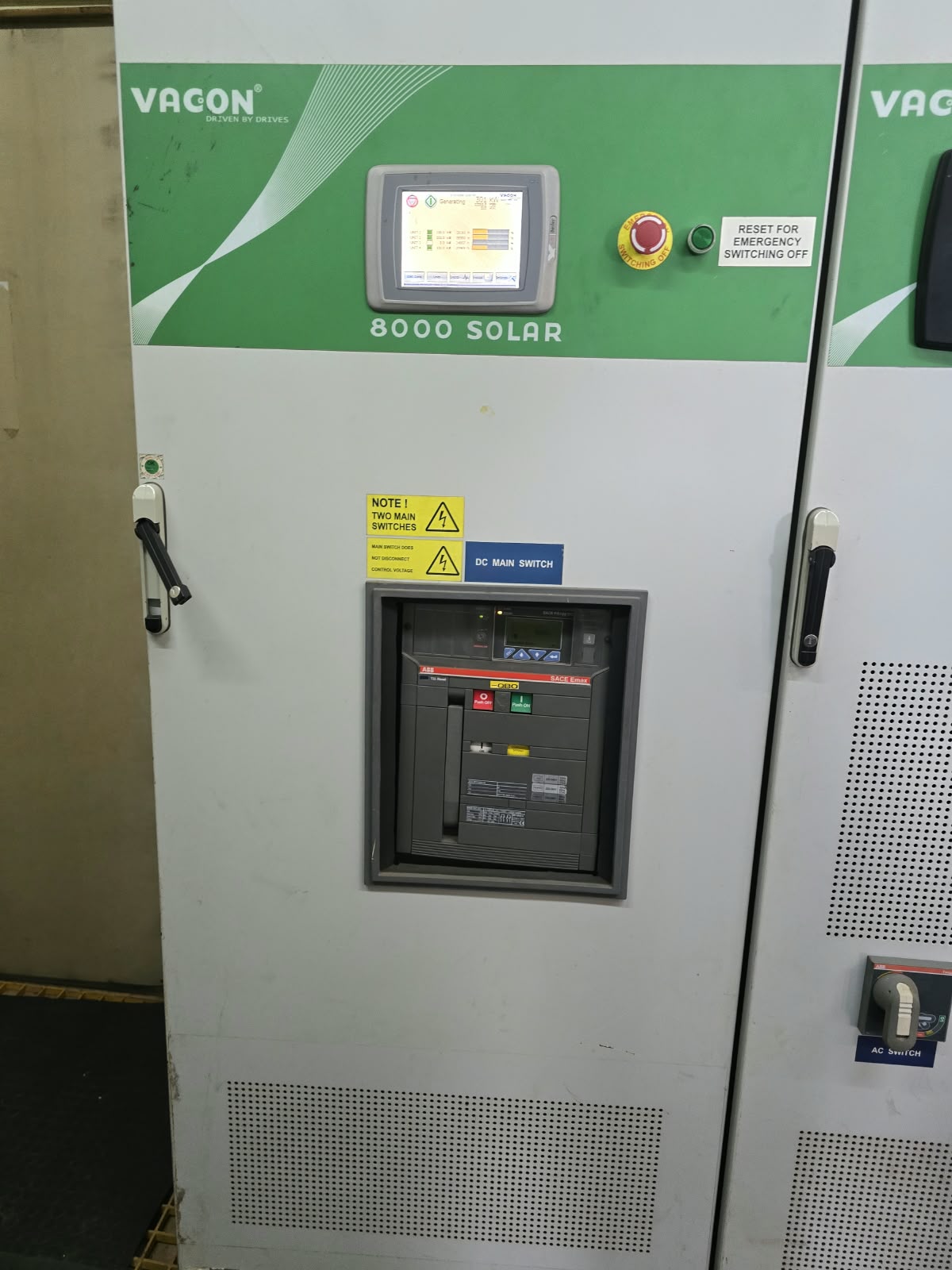
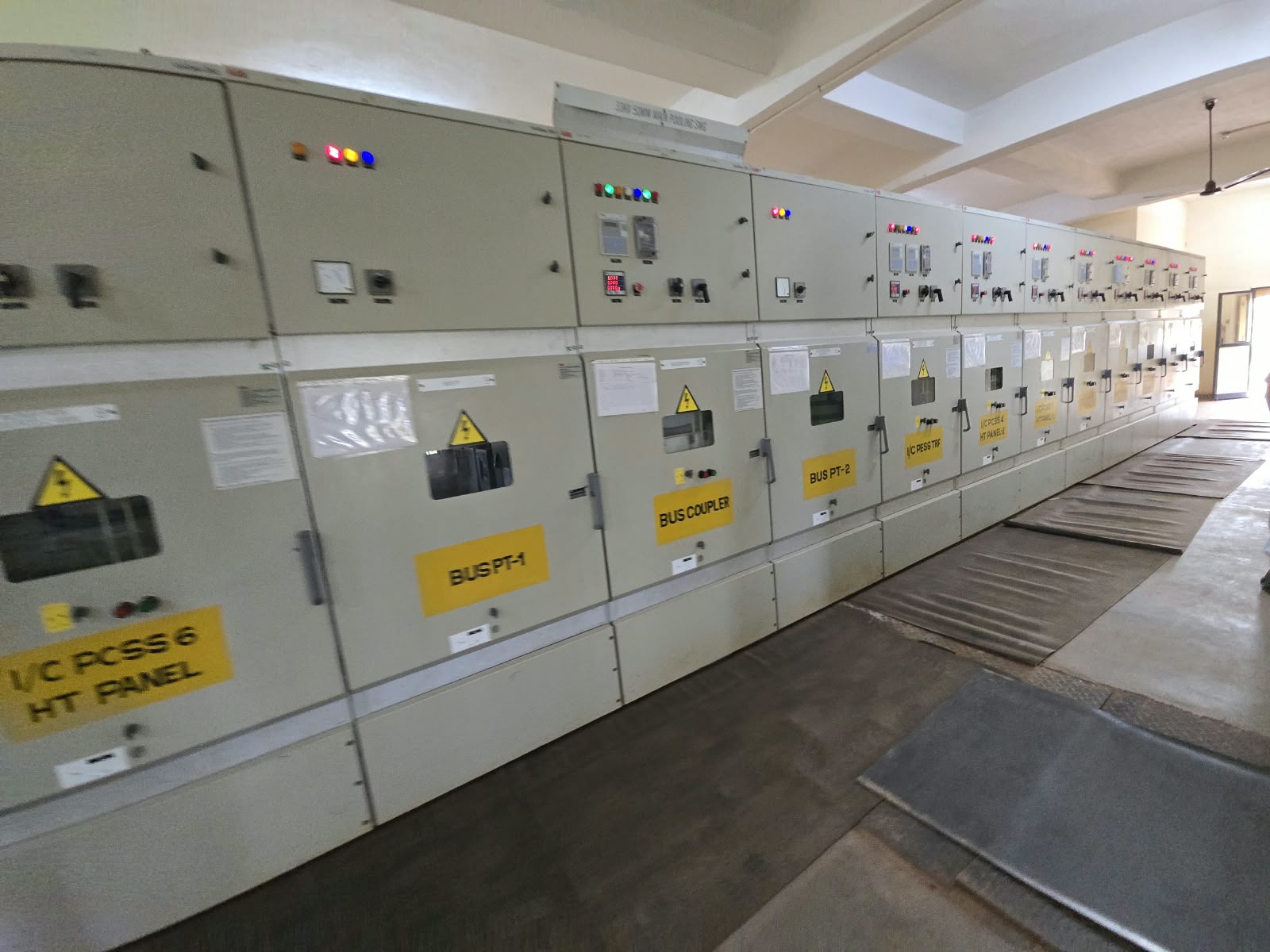
Findings come before repair. You decide the repair option with the facts in front of you.
The unit is logged by serial number, nameplate and fault history, with photos of its condition before any work.
Fault codes, power and insulation checks, auxiliary supply tests and visual inspection of the power stage and control board.
We send the faulty part, the likely cause and the repair options before any part is replaced.
Failed components are replaced with parts from authorised dealers and checked at incoming QC. The unit is then tested on the functions the fault affected.
The unit goes back with a printed report: findings, parts with source and lot or date code, test readings and sign-off.
Inverter DC-link and mains circuits can hold dangerous energy after power is removed. Units are isolated and discharged before handling, and we ask you to send units de-energised and disconnected from the site.
Star works as a repair partner in your chain. Each unit goes back to you with a report you can pass on to your client or your OEM.
A repair route for failed inverters in your project portfolio, with a serial-level report for the client handover file.
Component-level repair of field returns to your test method and acceptance criteria, with a report for every unit.
One repair route and consistent reports across multi-site plants, plus training for your technicians on real faulty units.
| Pain point | What we do |
|---|---|
| Field returns exceed your in-house repair capacity | Component-level repair of the returns you send us, to your test method and acceptance criteria, with a report per unit. |
| The only quoted route is a full board swap | We trace the fault to the failed part and send the findings and repair options before any work starts. |
| You need a second repair source for models in scope | Independent repair, with each model confirmed before you ship. |
| An obsolete board or part has no current supply | Repair of the existing board, and quote-only sourcing of obsolete parts. |
| Multi-site O&M teams cannot diagnose on site | Hands-on training on real faulty units, on site, at our factory or as a hybrid. See the training. |
| An EPS handover needs proof of each repair | A serial-level report with fault, root cause, parts, test readings and sign-off, for the handover file. |
| The OEM warranty route is closed or unclear | A written report with the findings, for your warranty claim or your records. Warranty decisions stay with the OEM. |
| Repeat failures on the same model | A root-cause report that checks DC-link ageing, heat, the auxiliary supply and insulation circuits. |
| High-energy DC and AC electronics are a safety risk | Isolation and discharge are verified before any unit is handled, and units are received de-energised. |
We have repaired multi-brand industrial electronics for more than 25 years, including the power boards and control PCBs that inverters share with industrial drives. The same bench, test method and record apply to solar.
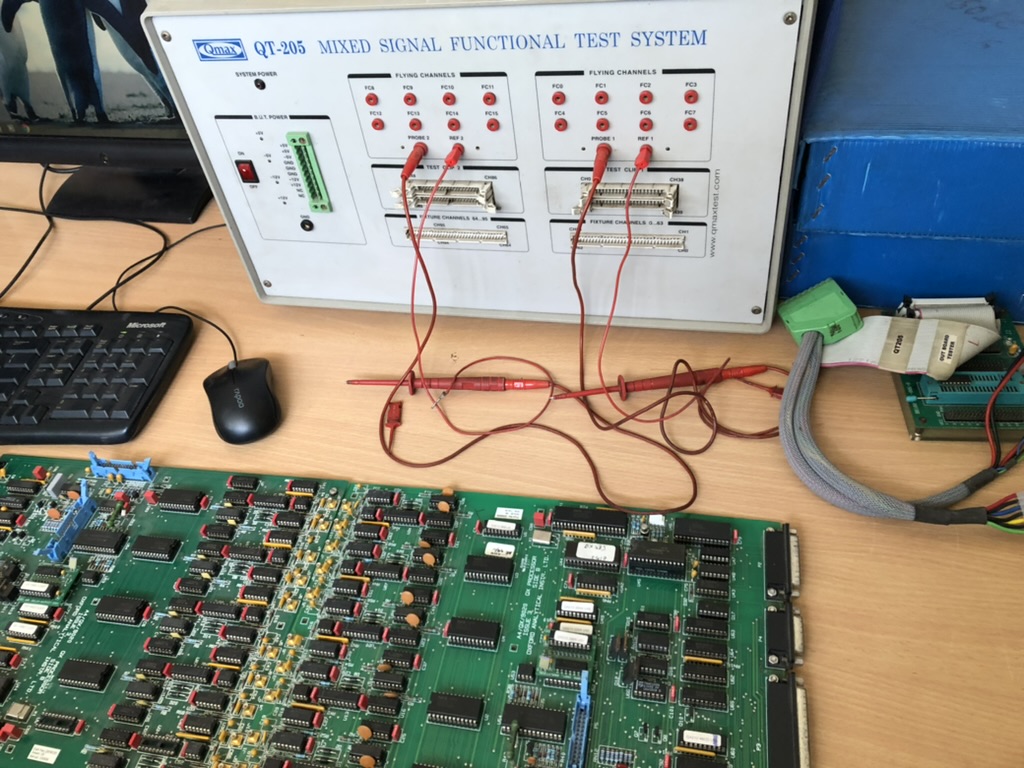
Star Automations repairs Delta RPI commercial string and central inverters at component level at its refurbishment factory in Puducherry. The work covers the power stage, the control board, the auxiliary supply and the insulation-monitoring circuit. Each unit is tested and returned with a serial-level report.
No. Star Automations is an independent repair company and is not an OEM service centre. We do not hold OEM authorisation for any inverter brand. Warranty decisions stay with the OEM or your EPC, and our report gives you the findings to take to them.
The usual failure points are the power stage, including IGBT or MOSFET modules and gate drivers, DC-link capacitors that age under heat, the auxiliary supply that feeds the control board, grid-side relays and sensors, and the insulation-monitoring circuit. The first symptom is often a fault code rather than visible damage.
It depends on the fault. A board swap is simplest when the failed part is hard to isolate. Component-level repair is usually more economical when one device can be identified, such as a gate driver or an auxiliary supply, and the rest of the board is sound. We send the findings first, so you can compare options.
We accept central and string inverter electronics for repair, including power-stage and control boards. Large central units are often handled as boards and modules. Send the model and a nameplate photo first, and we confirm what can be done before you ship.
Star Automations has repaired inverter electronics from Sungrow, Huawei, SMA, ABB and FIMER, Delta, Growatt, Solis, GoodWe, Sineng, TBEA, Power Electronics, Fronius, SolarEdge, Schneider Electric, KACO, Ingeteam, Hitachi Hi-Rel, Statcon Energiaa, Polycab, Havells, Luminous and UTL. Send the model and a nameplate photo, and we confirm the part route for your unit before you ship.
Yes, where the fault is confined to the control board. We test the board, its auxiliary supply and the sensor inputs before replacing any part. We then report what was found, what was changed, and what was tested afterwards, so you know the state of the unit before it goes back.
A residual current monitoring unit (RCMU) detects earth leakage and insulation faults on the DC side. A fault in its sensing circuit or supply can cause nuisance trips or block grid connection. We test the sensing circuit and its supply before deciding whether to repair or replace the part.
Each unit is inspected, then tested on the functions the fault affected. We record the readings and test steps, and the printed report shows the serial number, the findings, the parts replaced and the sign-off. Any remaining limits are stated in the report.
Yes. Every unit goes back with a report that records the serial number, inward condition, fault found, root cause, parts replaced with source and lot or date code, test readings, and technician and QC sign-off. It documents what was done to the unit.
Inverter DC-link and mains circuits can hold dangerous energy after power is removed. We verify isolation and discharge before handling any unit, and we ask you to send units de-energised and disconnected from the site. Our technicians follow the same isolation steps for every unit, whatever the brand.
Send the model, serial number, a nameplate photo, the fault codes and a short fault history on WhatsApp at +91 97866 22233, or through the RFQ form. We reply with what we can do and what happens next, including packing guidance for the unit.
Yes. We run hands-on training for O&M technicians on field diagnostics, the power stage, the control and auxiliary circuits, using a bench lab with real faulty units. Training can be delivered on site, at our Puducherry factory or as a hybrid. See the training page for the curriculum.
We source obsolete and hard-to-find electronic parts on a quote-only basis. Send the part number, the quantity and the condition you need, new, refurbished or used. If a part cannot be found, we can often repair your existing board instead, which keeps the unit in service without waiting for a replacement part.
Repair work is done at our refurbishment factory in Puducherry, at C-20 Industrial Estate, Thattanchavady. We also have an office in Chennai and sites in Bengaluru, Hyderabad and Delhi. Ask us about on-site inspection for your location, and we will confirm which team can attend.
Send a nameplate photo, the fault codes and a short history. We reply with the section we think is faulty and whether component-level repair is practical for that unit.
WhatsApp or call +91 97866 22233, or email star@starautomations.com.