The replacement is weeks out. When is repair the faster path?
When a replacement is weeks out, the repair-or-replace argument stops being about principle. It becomes a question of what is physically available this week, and what the machine costs while it waits. Availability decides — not a slogan about repairing everything.
Stock general-purpose versus a special motor
A general-purpose motor is a catalogue item. It is often on a shelf, and a compatible unit can be bolted in and commissioned without much ceremony.
A special motor is not. An integrated shaft, a custom flange, a non-standard winding or an obsolete integrated drive change the picture completely. There may be no interchangeable unit anywhere — not at a distributor, not at the factory, not in your own spares rack.
That single fact often decides the route before cost is even discussed.
When replacement wins on time
- A compatible unit is physically available today.
- Commissioning is straightforward — no custom alignment, no special parameters.
- The machine can take a like-for-like swap without touching the mechanics around it.
In that situation, replacement is the faster path and there is no reason to complicate it.
When repair wins on time
- The spare is obsolete and no longer produced.
- The unit is custom — shaft, flange, winding or feedback arrangement.
- The factory queue is long, and the machine cannot wait for it.
Those are exactly the cases where a bench has something to offer. Repair keeps the original unit in service rather than redesigning an installation around a substitute.
Cost is a separate question
Availability and cost are not the same argument. Repair is often assumed to be cheaper, and that assumption needs testing.
Compare a quoted repair against a real replacement landed cost — the unit, freight, duty where it applies, alignment, parameter work and commissioning time. A cheaper invoice on the repair is not a saving if commissioning costs more.
A common industry rule of thumb puts repair at roughly half to two-thirds of replacement cost. Treat that as a general guide only — it is not our data, not a quotation, and it should never be used in place of a real comparison for your unit.
History matters
A motor that has already been through major repairs is not the same candidate as a first-time failure. Repeated failures on the same stack — the same winding, the same bearing position, the same electronics — can flip the decision toward replacement.
The pattern is the message. One repair is a repair. The same repair twice is a signal.
Repair versus lead time — direct answers
When does replacement win on time?
When a compatible unit is physically available today and commissioning is simple.
When does repair win on time?
When the spare is obsolete, custom, or queued at the factory.
Does repair always cost less?
Not always. Compare the quoted repair to a real replacement landed cost, including alignment and commissioning.
What if the motor has been rebuilt before?
History matters. Repeated major failures on the same stack may flip the decision to replace.
What should we send?
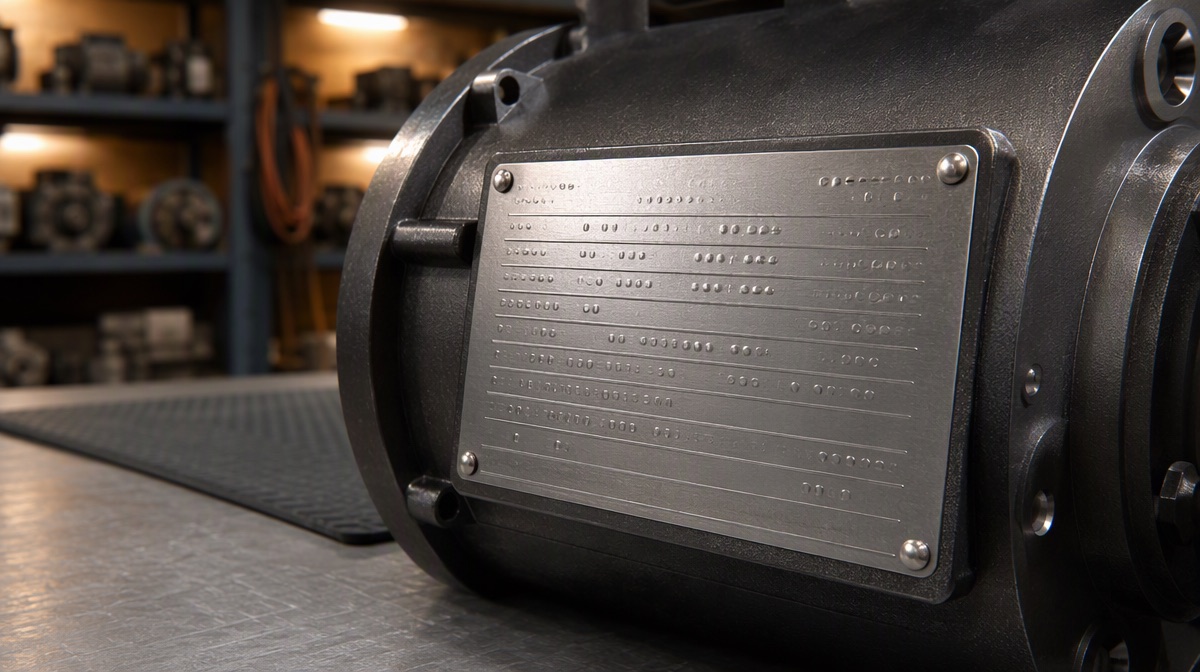
Nameplate, the promised replacement date you already have, and the failed unit if you want a repair quote in parallel.
Send the nameplate and the date you have been given
The promised replacement date is the most useful line in the email. With it, a repair quotation and a replacement order can be assessed side by side instead of in sequence.
Start with the requirement and nameplate upload through Priority Technical Review. Special and obsolete units land on the same bench as our servo motor repair work, where the call is made on condition rather than on a catalogue.