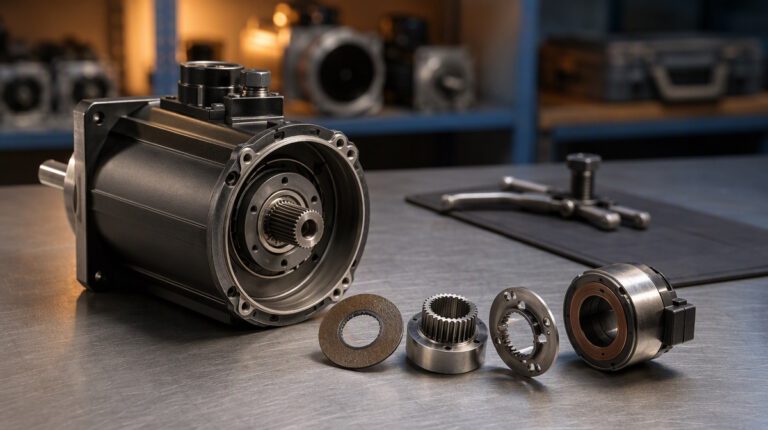
Coolant reached the encoder. Is it the cable, the disc, or bearing runout?
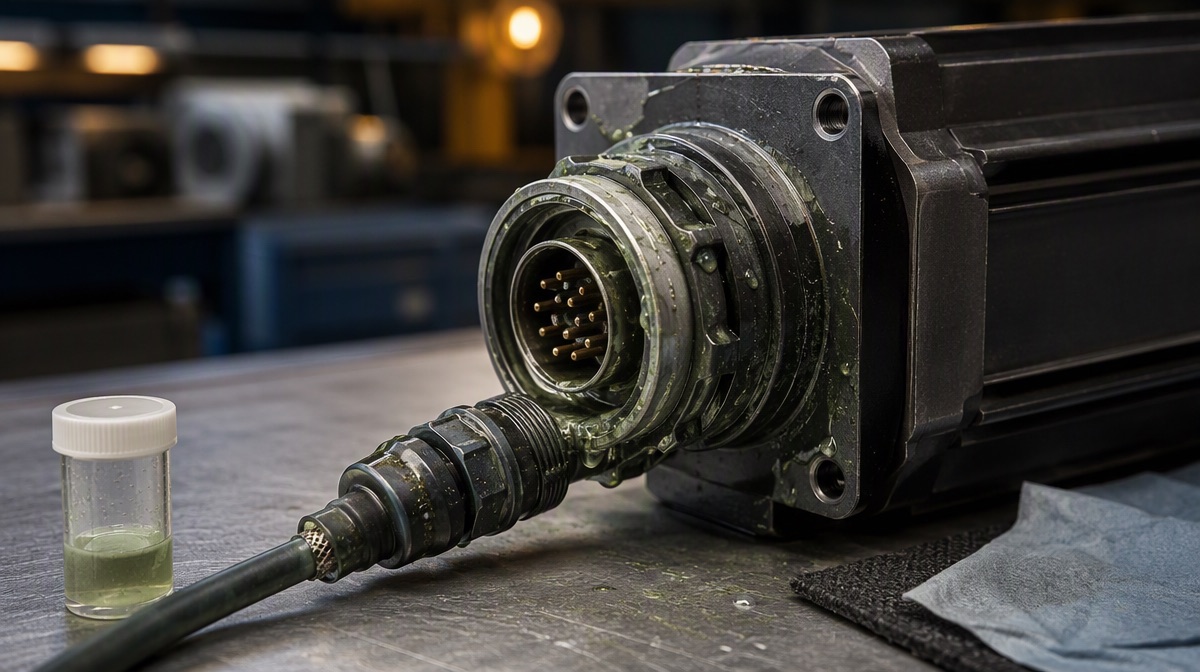
Coolant reaching a feedback system produces some of the most confusing faults on a machine. The axis trips at one position, runs clean at another, and behaves differently after a shift change. Green residue in a connector is not a rewind — it is a starting point, and the fault usually splits three ways.
First: cable wicking
Liquid does not have to reach the encoder to cause a feedback fault. It travels along the cable, through the gland and into the connector shell, where it sits against pins that were never meant to be wet.
Cables wick. A cut in the outer sheath, a damaged boot or a connector that has been pulled at an angle is enough to give the liquid a path all the way to the contacts.
Second: the optical disc
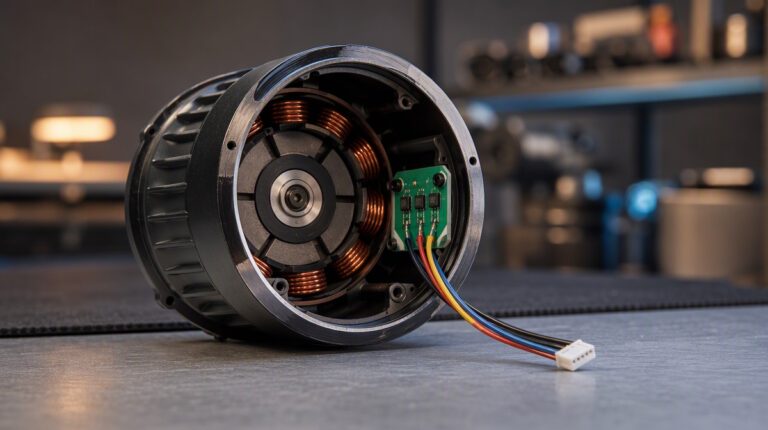
If contamination reaches the inside of the encoder, the optical disc is at risk. A film on the disc or on the read head corrupts the position signal — often partially, which is exactly what makes it intermittent.
Not every wet encoder is a dead encoder. Many events stop at the connector, and the disc never sees the coolant at all. Open the shell and look before condemning it.
Third: bearing runout
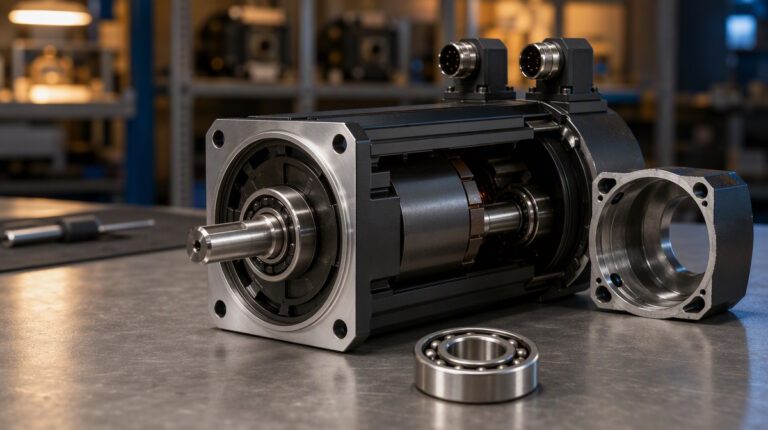
The third possibility is mechanical, and it is the one most often missed. Worn bearings allow the shaft to move off centre, and the encoder then sees movement that has nothing to do with the electrical signal.
The result is a feedback fault that is actually a bearing fault. If the disc and connector are clean and the fault persists, runout is the next thing to measure.
Why the fault comes and goes
Intermittent behaviour is a clue, not a complication:
- Liquid in a connector fails at the angle where it bridges the pins.
- A cracked shield or conductor fails at the point in travel where it is stressed.
- Contamination on an optic can fail once the unit warms up.
- Runout shows up at particular speeds and loads, not everywhere.
Note where the fault appears. The position, the temperature and the speed are all part of the diagnosis, and they are much easier to capture while the machine is still running.
Clean, measure, then decide
Dry and clean the connector, inspect the cable along its length, and only then assess the encoder internally. If the optic is contaminated, the encoder usually ends there — contamination inside the optics is not something to seal over and return to service.
If the encoder passes, check the bearings. Both halves of the fault have to be cleared before the axis goes back, or the same alarm returns with a new explanation attached.
The feedback side of this work overlaps with the electrical faults we covered in what to check when the encoder is in alarm and the motor still turns.
Coolant ingress — direct answers
Why is the fault intermittent?
Liquid in a connector or a cracked shield often fails only at one angle or after a temperature change.
Does coolant always kill the encoder disc?
No. Many events stop at the connector. Open the shell before you condemn the disc.
How does a bearing enter this picture?
Worn bearings add shaft runout. The encoder then sees mechanical noise that looks like an electrical fault.
Should we seal and return the same encoder?
Only if the disc and bearings pass. Contamination inside the optic usually ends the encoder.
What should we send?
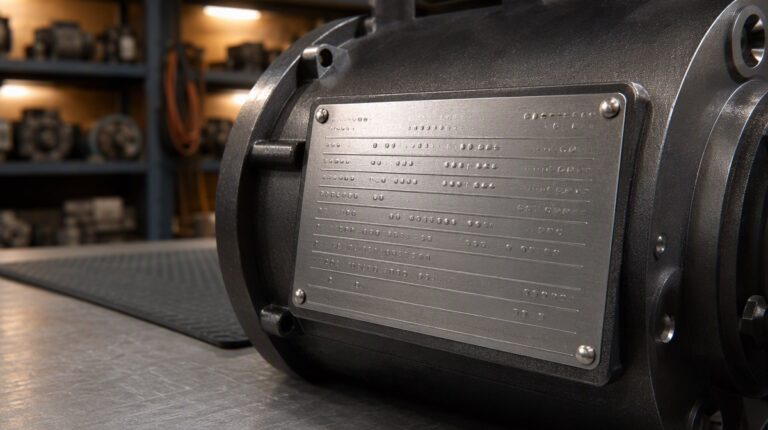
Photos of the connector and nameplate, and the motor as received. Note the coolant type if you know it.
Photograph the connector before you clean it
A photograph taken before cleaning tells us where the liquid was sitting and how far it had travelled. Once the connector is dried out, that evidence is gone.
Start with the requirement and nameplate upload through Priority Technical Review. Feedback and bearing work sits on the same bench as our servo motor repair work, so the cable, the optic and the shaft are assessed together.